Define the route and rack interface
Walk the complete path, not just the pick and drop points:
- Aisle width, door openings, and turning nodes
- Rack heights and required lift to top positions
- Load dimensions and pallet types that affect fork length and carriage spacing
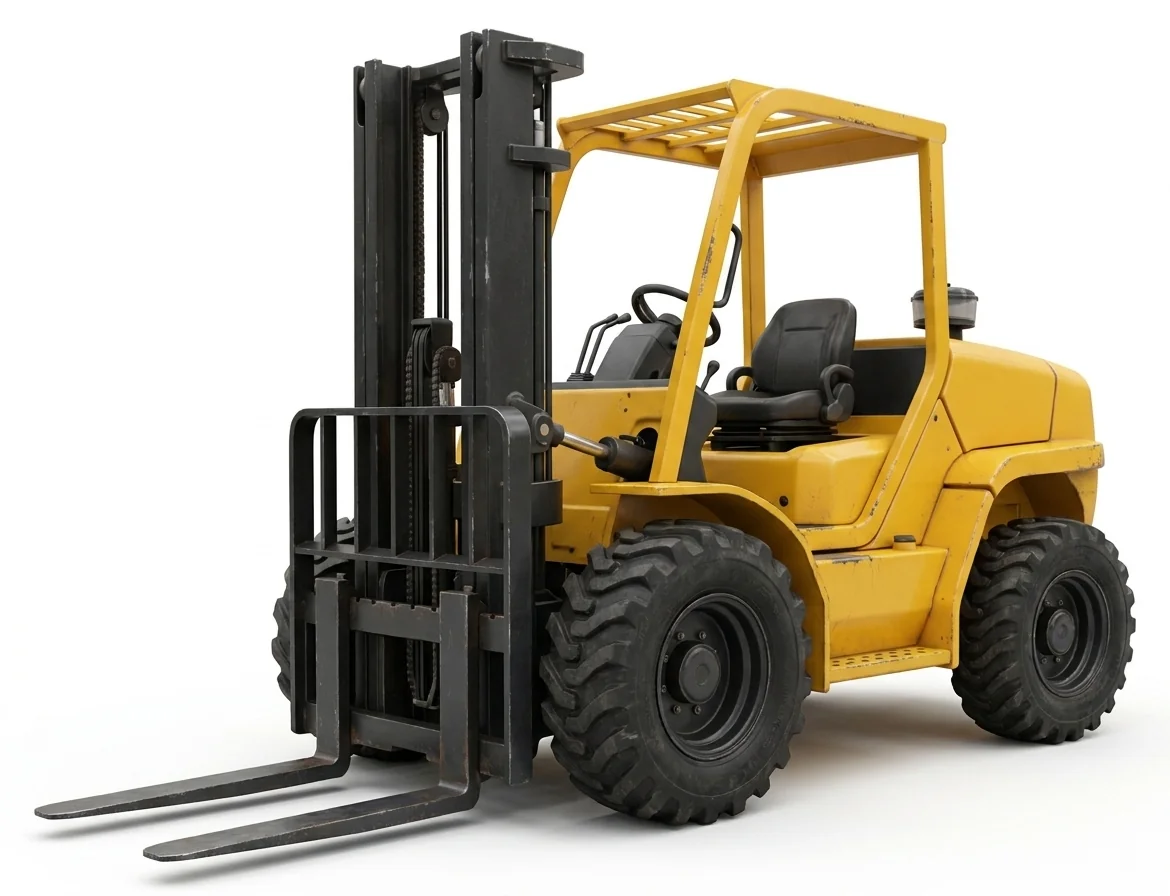
Indoor electric models suit climate-controlled environments with smooth concrete and ventilation rules. Cushion-tire units excel on polished floors; pneumatic-tire variants handle rougher slabs and short outdoor transitions.
Mixed-use realities in Greensboro
Some facilities connect interior docks to exterior yards where clay soils can soften after rain. If the route crosses thresholds to gravel or compacted dirt, consider whether a short outdoor shuttle by a different machine is warranted to keep the forklift on slab-only segments. For purely exterior material handling on uneven ground, a telehandler may be more appropriate. See /telehandler-rental/.
Capacity and stability envelopes
Nameplate capacity assumes a standard load center. Tall stacks, long pallets, or attachments change stability and usable capacity. Document the heaviest expected load and where it must be placed in the rack, especially top bays.
When another lift is better
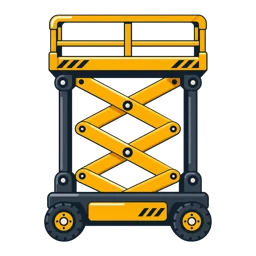
- Elevated installation work with people on a platform calls for aerial access: /aerial-lift-rental/, with specific options at /electric-scissor-lift-rental/ and /articulating-boom-lift-rental/.
- Outdoor placement to elevated decks across soft ground typically points to /telehandler-rental/.
Actual conditions, the machine’s instructions, and facility procedures determine what’s acceptable for any move.
Greensboro planning checklist
- Verify floor condition and thresholds
- Measure tightest aisle and smallest doorway
- Confirm rack heights and load centers
- Note any exterior segments after recent weather