Define the load and placement first
- Power profile: list start‑up surges and steady draw. A generator sized only to running watts can stumble on motor starts.
- Distribution: note cord length, cable routing height, and trip‑risk zones inside busy aisles.
- Placement: can the unit sit below and off to the side, or must it be near the equipment? Distance affects voltage drop and noise impact.
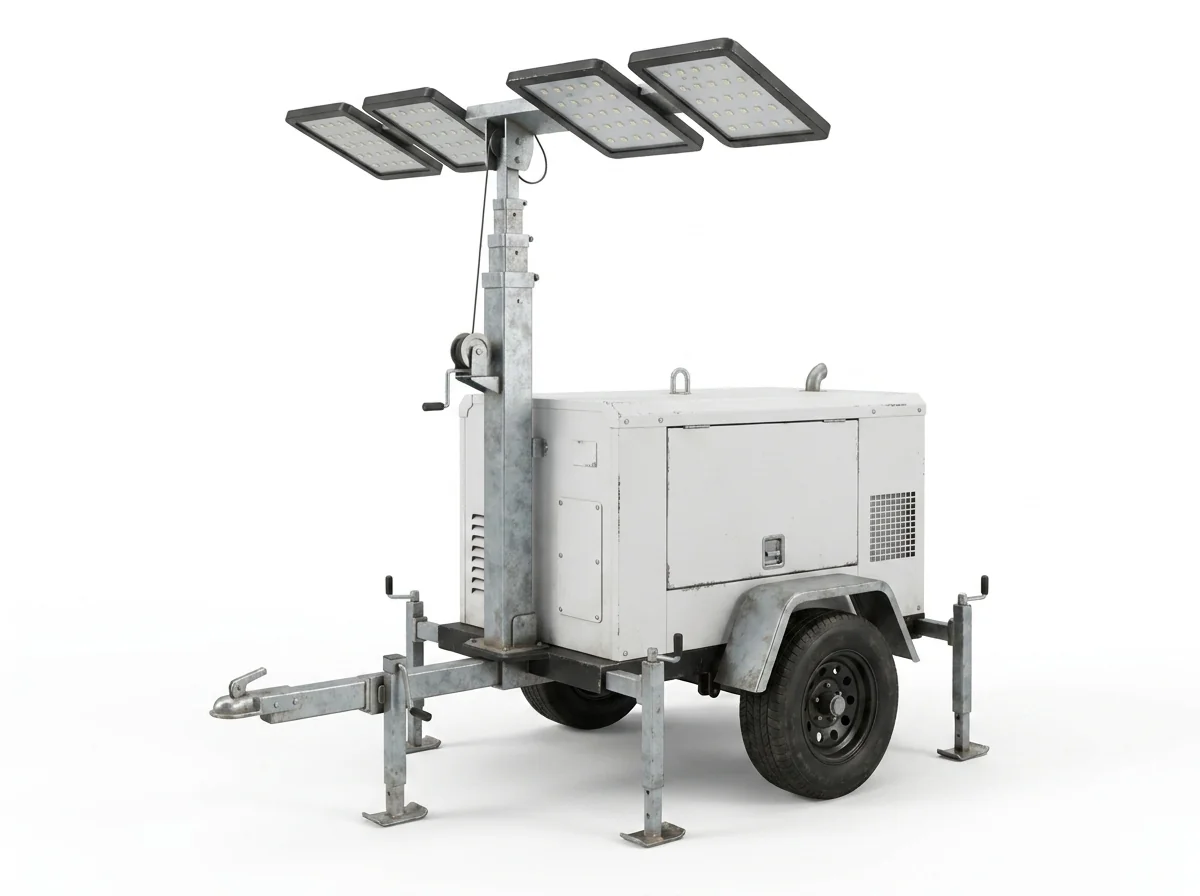
For light towers, sketch the coverage pattern. Indoor maintenance in high‑bay spaces may not allow combustion units; outdoor staging needs mast height and beam spread that clear stacking lanes and parked trailers.
Greensboro conditions that change the call
- Indoor logistics environments: smooth concrete favors compact electric lighting solutions or remote power with cords kept out of forklift paths. Noise and emissions restrictions often limit engine use.
- Piedmont clay outdoors: after rain, surfaces can turn slick. Towable light towers and skid‑mounted generators need ground that resists rutting when repositioned. Plan access routes that avoid saturated topsoil and steep approaches.
Constraints that narrow the category
- Runtime window: overnight security lighting versus short maintenance windows determines tank size or battery capacity.
- Access route: measure doorway and gate clearances, turning radii around racking or trailers, and any grade changes at dock aprons.
- Footprint: confirm a stable pad area for outriggers or jacks on uneven ground. Indoors, confirm a clear perimeter so light heads can rotate safely without striking inventory.
- Noise envelope: near offices or residential edges, a quieter package helps keep work moving.
Related lift planning
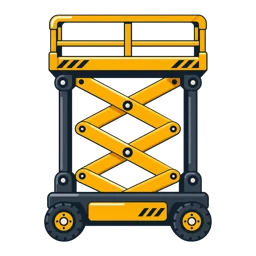
If lighting or power supports elevated tasks, match the access equipment to the surface and height: - Level indoor concrete: see /electric-scissor-lift-rental/ or /vertical-mast-lift-rental/. - Mixed or unimproved ground: see /rough-terrain-scissor-lift-rental/ or /boom-lift-rental/ for reach over obstacles.
Actual site conditions, the selected unit’s instructions, and site procedures govern setup and use, especially in exterior or elevated work.