Start with delivery geometry
- Access route: measure gate width, turning radii, and any overhead obstructions. Note slopes at curb cuts and dock aprons.
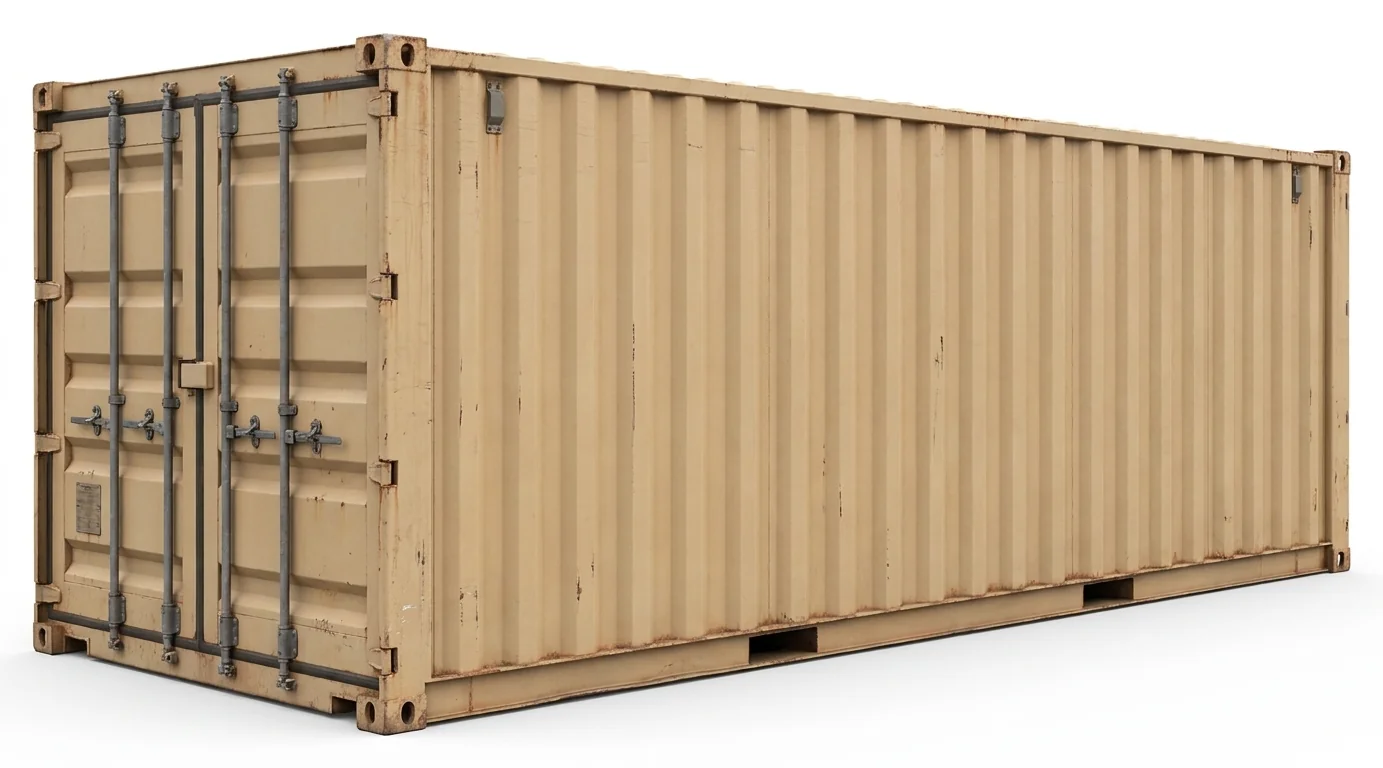
- Setdown footprint: confirm a level rectangle that matches container length with room to open doors fully and to stage pallets or carts.
- Approach side: align doors with the primary loading path so forklifts or pallet jacks can work without tight turns.
Surface and weather considerations in Greensboro
- Outdoor clay soils can rut and hold water. A soft spot under one corner can twist door frames and make access difficult over time.
- On concrete yards, traffic patterns may force you to offset the container to avoid blocking trailer paths. Mark clearances for lift equipment turning.
What narrows the container choice
- Duration: longer placements magnify settlement risks on unprepared ground.
- Contents: sensitive materials may need shaded orientation or better airflow at the doorway area to reduce heat buildup.
- Handling method: if a forklift, telehandler, or pallet jack will load the container, verify door threshold height relative to the surface and any ramps you plan to set.
Coordinating with lift equipment
- Indoor or apron loading: check /forklift-rental/ for load capacity and aisle width considerations.
- Yard or uneven approaches: see /telehandler-rental/ if reach from a stabilized position is required.
Actual site conditions, the selected unit’s instructions, and site procedures govern exterior handling and staging.